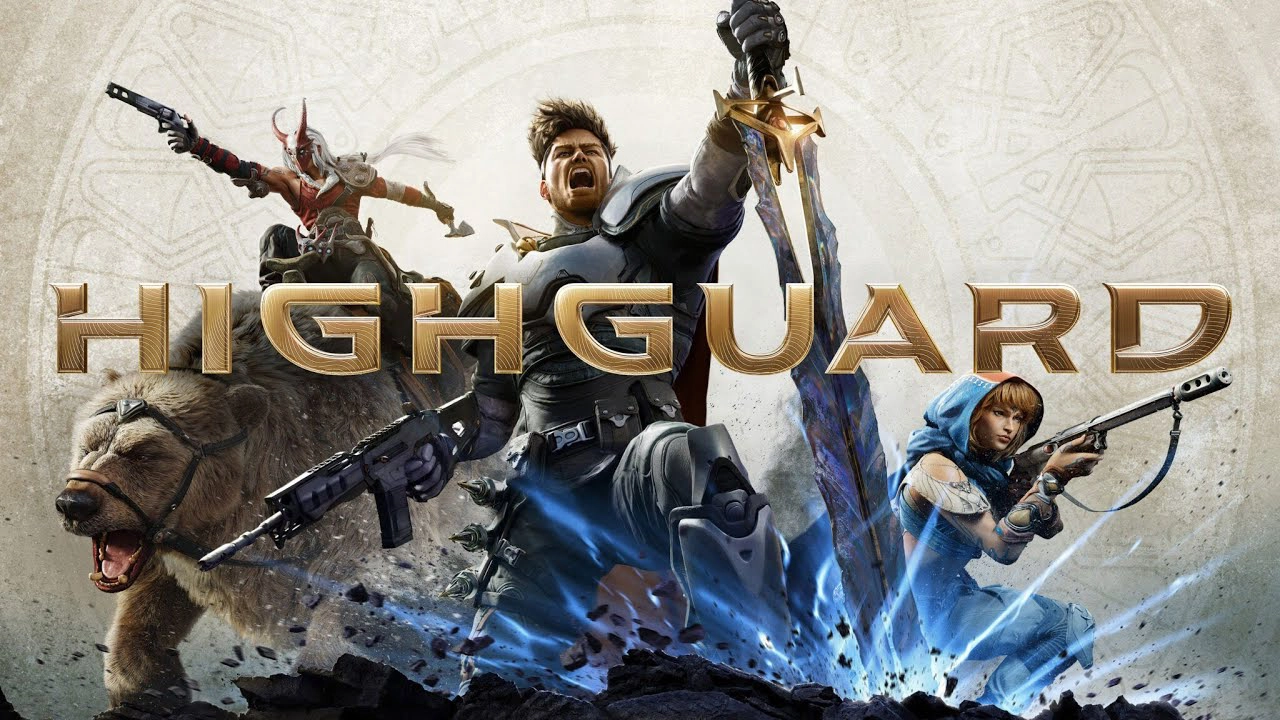
At this year’s VGAs there was one announcement that stood out, just not for the right reasons. Preluding the Game of the Year award was one final debut. Many expected this slot reserved for a prestigious title, something on the level of the previously unveiled Fate of the Old Republic or Divinity III. As the trailer started, the vista of fantasy-esque landmarks had some anticipating the long-awaited Elder Scrolls VI (lmao).
Instead, we got Highguard, a free to play hero shooter. Whatever your preferred social media platform is, the initial reactions were largely the same. Bafflement, confusion, disinterest, and a sprinkling of contempt. Those using YouTube’s dislike extension can see the IGN trailer is flooded with thumbs down. On r/gaming, the top comment on the announcement thread is summarized as “meh”, echoed by those with less updoots beneath. Browsing through X/Twitter after searching for the game shows similar disinterest, and the Steam discussion forum was, and continues to be, a mix of anticipation and apathy.
None of which bade well for the game. First impressions matter and Highguard stumbled right out of the gate. Another PVP hero shooter in a market that isn’t lacking for competition. Live service is already a crowded genre, and it takes quite a bit to wean players off their game of choice, whether it’s Fortnite, Overwatch, Destiny, etc. The more time a gamer commits to their favorite, the harder it is to switch to something new.
But wading into an oversaturated genre doesn’t guarantee failure. After all, Marvel Rivals succeeded the same year as Concord, just a couple months after the latter crashed and burned. And a hero shooter featuring one of the most recognized IPs on Earth is hardly original. But Rivals shows you don’t need to be the first, you just need to be expectional enough for gamers to make the switch. The question is: does Highguard meet that threshold?
Well, it is unique. Exceptional… eh.
Configuration and Graphics
Not to expose myself as a boomer when it comes to tech, but I did need to do a bit more manual configuration before I could even play the game. On PC Highguard requires TPM 2.0 and secure boot enabled, and I’m not exactly thrilled about kernel-level anti-cheat to begin with. It’s not a particularly intensive process, but it’s the first game in my library to make me do so. Those concerned with privacy will likely drop Highguard right out of the gate.
The aesthetics of Highguard are an important part of its first impression. I’m less concerned with the absolutes of graphical fidelity than I am with overall art style and aesthetic appeal. The game looks okay, but a very apathetic okay. There is nothing particularly bad about the art style, but there is nothing particularly interesting. Some Twitter users have likened it to the “Artstation front page,” which hits the nail on the head. Technically competent but lacking in originality.
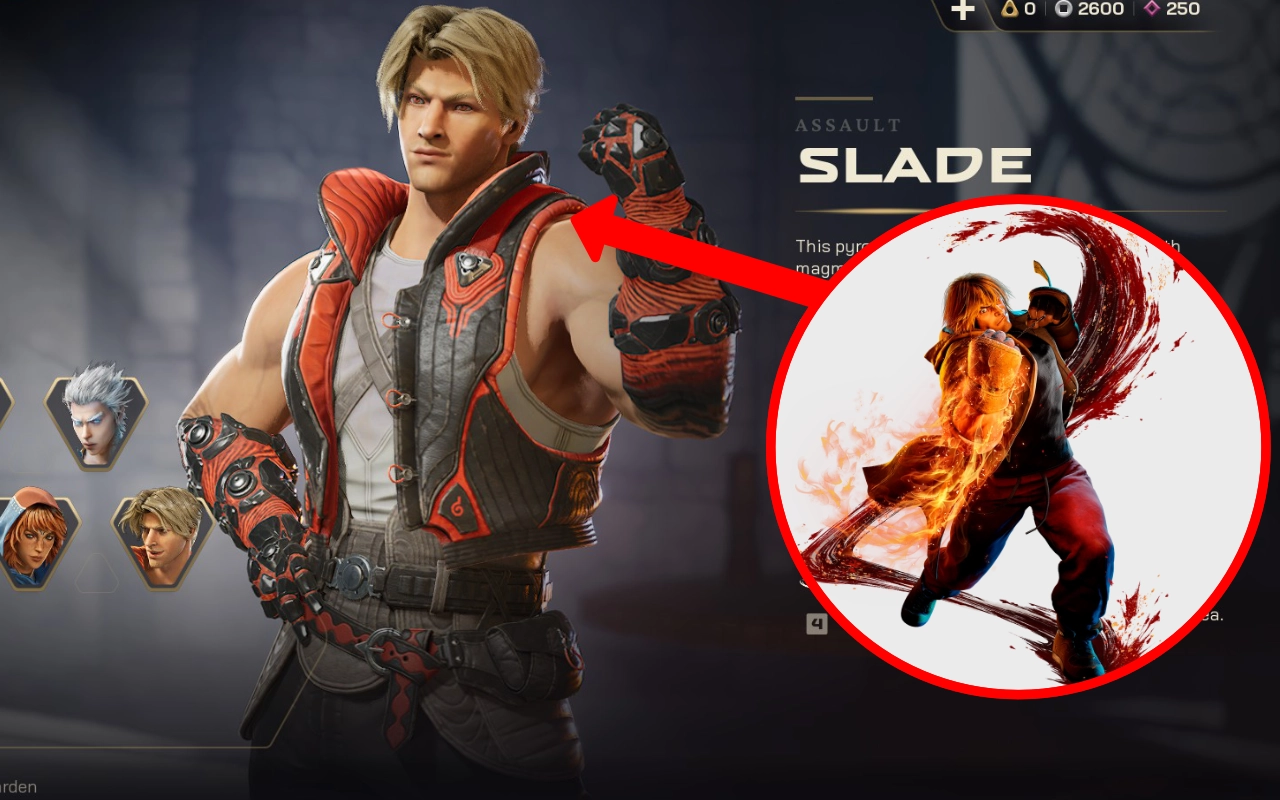
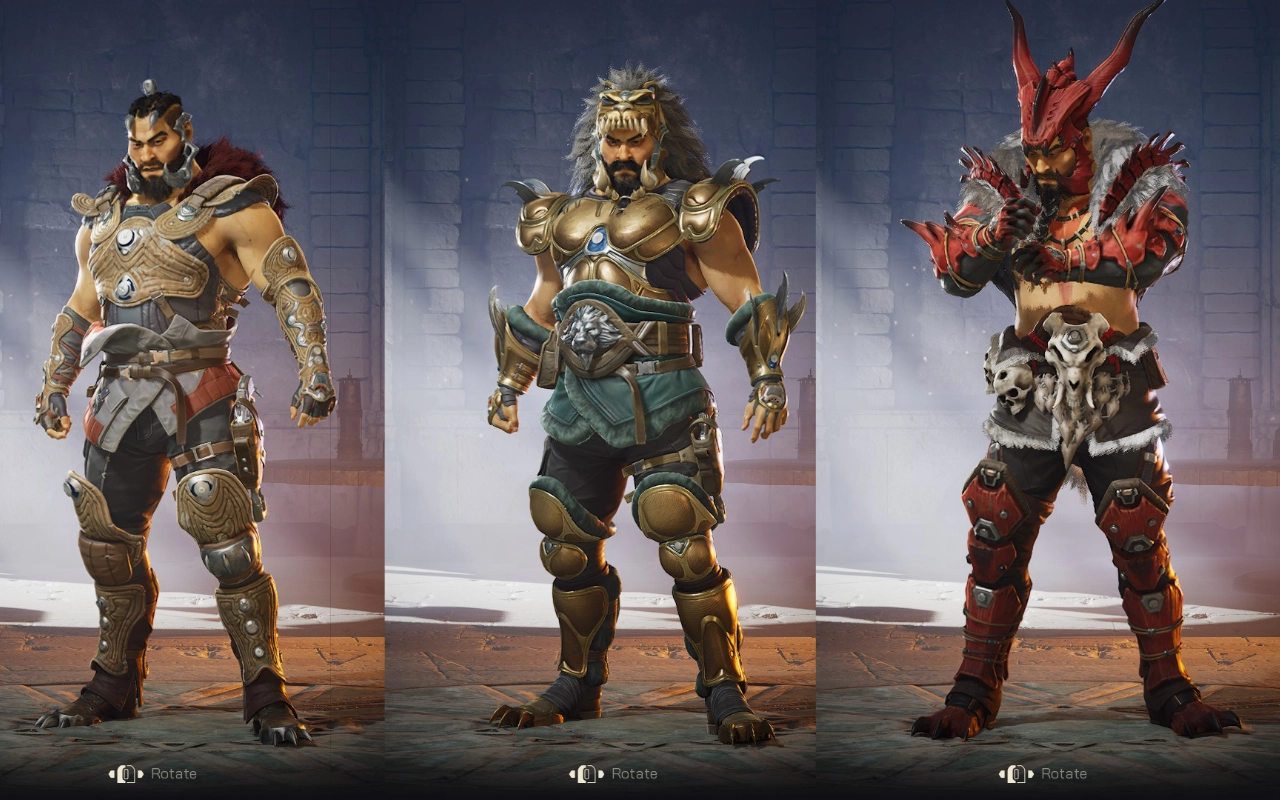
Characters look similarly underwhelming. For a “fantasy” setting, the designers played it far too safe with the wardens’ designs. Each of the game’s eight characters are humanoid, and their silhouettes don’t stand out too much. Colors seem muted, and any flourishes on a character’s body seem similarly downplayed. The two best looking Wardens by far are Una, whose mask helps her stand out, and Slade who’s channeling Ken and Terry Bogart. If you told me he was from a fighting game, I wouldn’t blink twice.
There’s also the uncomfortable possibility the warden’s uninteresting appearances are intentional. When discussing Redmane’s, one of our party pointed out his design would look more complete if he had a skull helmet. And wouldn’t you know it, that’s exactly what one of his legendary skins has.
Live service games need to make money, I get it. But the base design of characters doesn’t need to be this bland. DOTA 2 makes all its money through cosmetics, but the designs of each of the games 127 heroes are at least visually unique at the base level. Overwatch, at least during its honeymoon period, had very strong examples of character design principles, even for the underdesigned characters. Soldier 76 is just a guy with a gun, but small things like the profile of his jacket, colors, and the monovisor help him stand out.
If you want players to commit to a live-service game, at least make it look good. After looking at the superior legendary skins for the wardens compared to their standard outfits, I couldn’t help but feel cynical. But the aesthetics of the game aren’t really the main issue.
Gameplay
IGN released a developer diary that helps illuminate Wildlight’s perspective on the game. The developers seem very attached to the disparate elements of the game; the open world, the survival elements, the base building, etc. Their goal was to combine this smorgasbord of concepts together into one cohesive experience. But after playing the end product, it feels like Wildlight is too fixated on the ideas behind Highguard compared to the end result.
The game composes of four phases: initial preparation, resource gathering, getting the Shieldbreaker, and raids. Base building is…okay. There may be some level of strategy into which layout you prefer, but it feels like a superfluous element. If you frequently play with a three-stack, you could probably figure out the ideal base to plan around. You’re given armor to fortify walls around critical points: two generators and a keystone. You could choose atypical spots to reinforce, but there doesn’t seem to be an immediate reason to do so. If there were more resources to manage, like turrets or traps, this first phase would have more depth.
After prep, you’re let loose into the open world to gather resources. There are chests scattered about with equipment, but you can also mine crystals to trade at shops. Additionally, there’s a timing element to mining: hit the prompts in time and you can mine faster. It’s like I’m playing Project DIVA. The problem with this phase is that it’s too long. Even if you don’t hit the timing queues, it’s still very easy to accumulate more resources than what you need. It’s also easy enough to find higher level guns just from chests, so the only thing to spend crystals on is armor and other consumables. Like the preparation phase, it ends up feeling excessive.
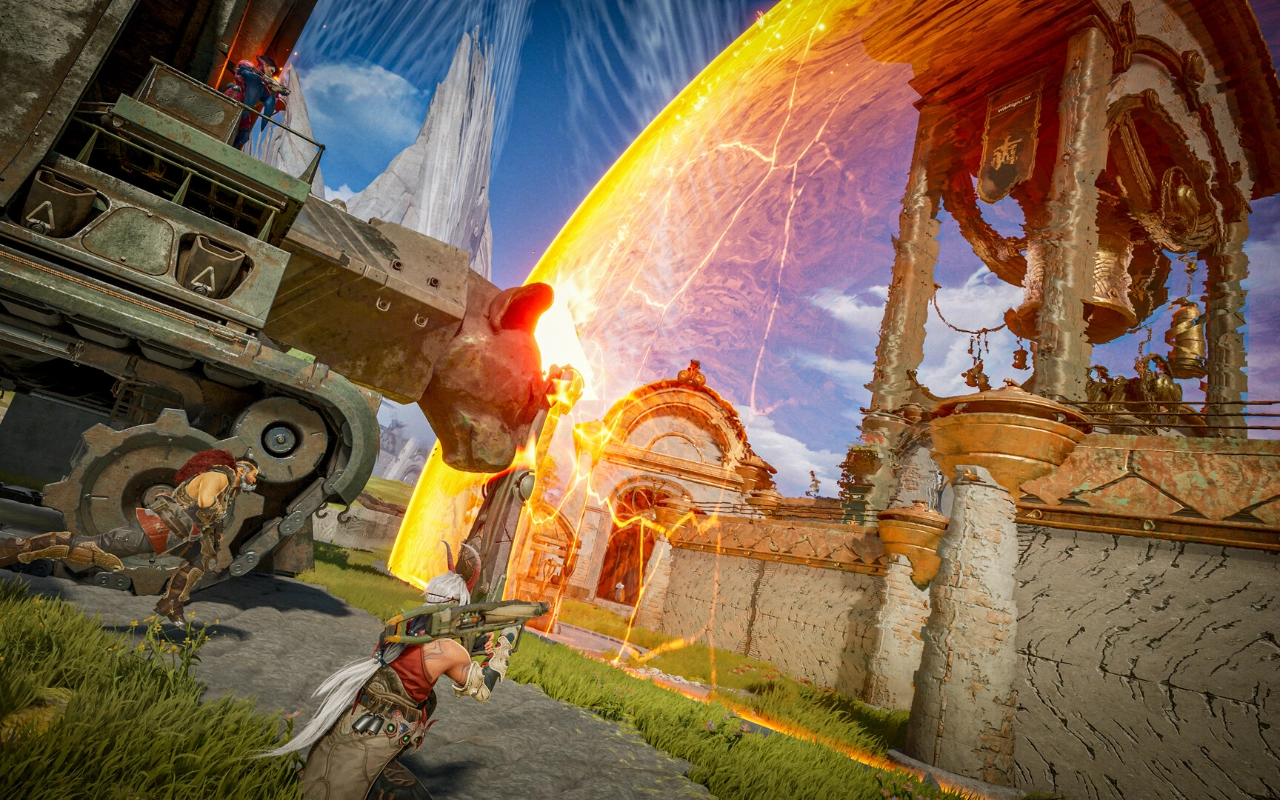
After a couple minutes of mining, the Shieldbreaker spawns on the map. Whoever grabs it can run to the enemy base and disable their shields. You only have a couple minutes to do so before the game goes into overtime, and players are unable to respawn until the Shieldbreaker makes it to a base, or everyone is dead. If all players die, it will disable the shields of whichever base its closest to.
This takes a chunk off the base’s HP and starts the raid phase. The attacking team will spawn on a siege engine outside the enemy stronghold, and have a set number of lives to destroy the base’s two generators and/or keystone. If the attackers run out of lives, everything resets and you go back to the prep phase. Rinse and repeat until a base drops to zero HP and the game is over. These last two phases have the most action, but for many players it still won’t be enough.
Start and Stop
This is where we start to get into the main issue with Highguard, more so than incomplete animations (a noticeable amount) or lackluster character designs. The tempo. In other multiplayer games, whether it’s Fortnite, DOTA 2, R6: Siege, etc., there’s a very particular pacing. Matches start slow, cautious, focused on prep or gathering resources, and build up to explosive confrontations with the other team. Highguard feels very “start and stop,” and much of the game feels like waiting for the next thing to happen.
The prep phase doesn’t matter all that much because you’ll almost always fortify around your generators. Getting excess resources doesn’t matter since you always have more than you need. Getting early kills during the resource phase has little impact unless you’re near the Shieldbreaker. Even then, map sizes are massive, so enemies have plenty of time to intercept you before making it to their base. Due to the time it takes to traverse the map, time to kill is very high until you get to the raid phase. Raiding itself feels like the most consequential and action-packed part of the game, but if you’re evenly matched then the phase ends with minimal damage to the base and everything goes back to the start.
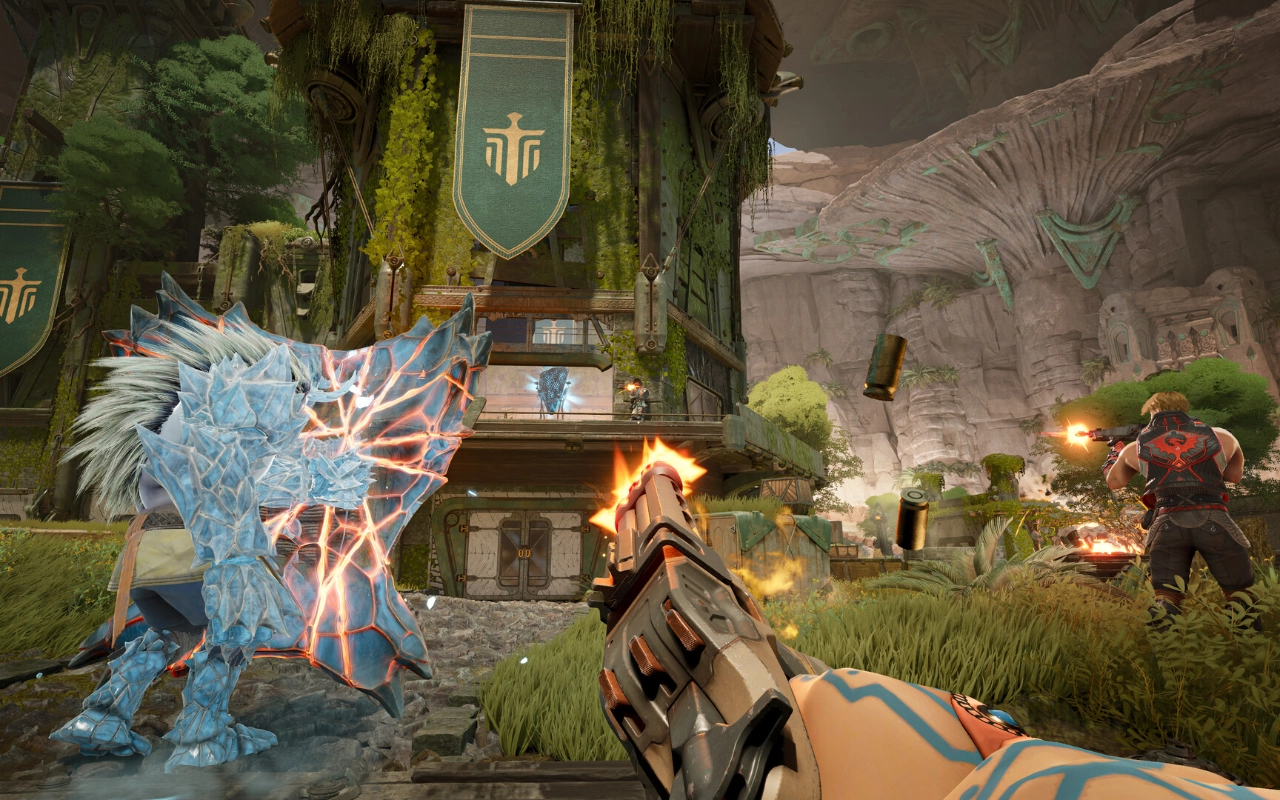
For a game with a TTK this high, there needs to be more to do during the non-raid phases. Prep should have more assets to help you strategize your defense, like turrets or moats. Crystals should enable you to purchase other assets (think a portal to spawn you closer to the Shieldbreaker), so the resource phase feels more impactful. At the moment, it feels like Highguard has 1/4th of an interesting game and 3/4ths tedium.
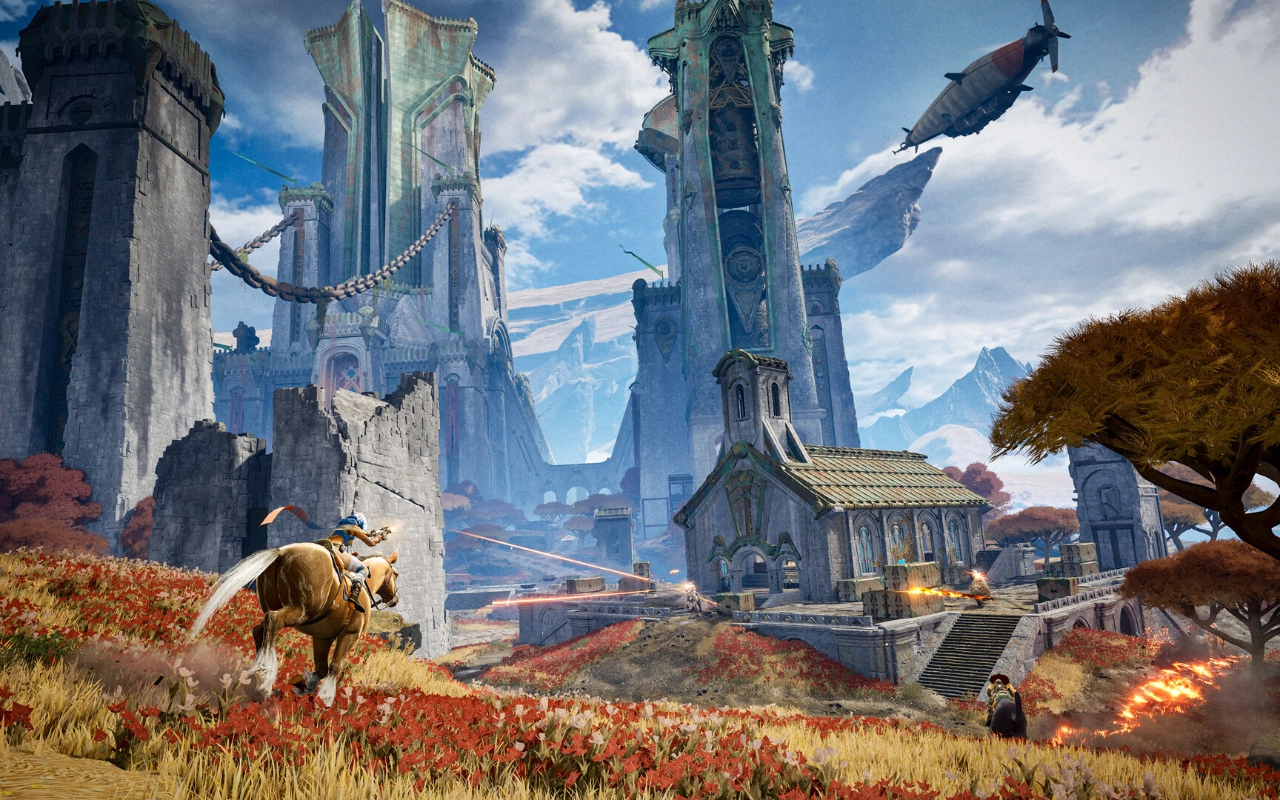
It’s a series of incomplete ideas. Why are their mounts? So, you can traverse the map faster since it’s quite large. Why is the map so large? Because…we need to have mounts, I guess. Again, it’s a fixation with the ideas rather than asking how these design choices benefit the overall experience.
It also feels like the game has too many rules. If you think about something like Fortnite or any other battle royale, it’s a simple concept. You have an area, it gets smaller, be the last man standing. Within that framework there are plenty of subrules but therein lies the freedom for player creativity and strategy. Highguard has a very strict framework of “this phase then that phase,” with not much freedom to play differently.
Wildlight claims they listened to a lot of feedback when developing Highguard, but I question what feedback they received. At the very least, this game does not feel good as a 3V3. Maps are far too big, and team sizes are too small to be properly balanced. Three good players on the same team will easily run roughshod over their opponents. 5V5 by comparison is far more satisfying to play, and my stack decided to spend the majority of our playtime on it.
There’s certainly more that can be discussed about the mechanics: some of the animation issues, the clunky movement on mounts, the game’s lack of lore (there’s more of that on the game’s website). But if we distill the game down to its core concept and ask, “Is this a complete experience?” the answer is no.
The Yes-Men Problem
This article shouldn’t be taken as a full review of the game, mainly because there isn’t a full game here. Games launching in an unpolished state is nothing new, but Highguard feels like the experience itself is incomplete. It’s a half-baked idea that needs more time before it’s ready to take out of the oven.
In my initial draft, I wrote that Wildlight deserves some credit for listening to their players and implementing the 5V5 raid mode as a permanent fixture. But to my surprise the studio was hit by mass layoffs barely two weeks into launch. Which seems puzzling. Plenty of games have had a rocky launch before finding success later (No Man’s Sky, Siege, etc.). If the devs were committed to a live service model, they should have planned for a slow start, especially if the initial plan was to shadow drop the game. Even if the VGA trailer didn’t land well, it’s not unreasonable to assume it exposed the game to more people. Why the firings then?
I think we can glean some insight from former Wildlight artist Josh Sobel’s retrospective. To be clear, I bear no ill-will towards Mr. Sobel, nor anyone at the studio, current or former. I certainly don’t condone harassing game devs in their mentions either. But I think what he reveals in this Twitter article speaks to a mentality prevalent in some dev circles.
‘Everyone I knew who had any connection to the team or project had the same sentiments:
“This is lightning in a bottle.” “I trust this team wholeheartedly.” “If there’s one project nobody in the industry is worried will fail, it’s yours.” “This has mainstream hit written all over it.” “There’s no way this will flop.” “I could play this game all day.“‘
Whichever version of Highguard he’s referring to here, I certainly would have liked to play. The people I played with certainly didn’t want to hate this game. We spent several hours going over potential improvements that could have us return. I’m curious as to what the feedback process for this game looked like, because toxic positivity seems to be a factor in development. A working environment where no one wanted to be the negative Nancy. How different would this game be if someone had said “Hey this doesn’t feel good as a 3V3,” or “Map sizes feel too big”?
The Critical Divide
Geoff Keighly was positively ecstatic to announce this game to us at the VGAs. Even leading up to launch he was confident we’d be apologizing to him after we got to play Highguard. But if this game reveals anything, it’s the chasm of difference between the average gamer, and the people running the industry. Whether it’s someone in media like Keighly, or the developers themselves, it seems the sections of game development have become too insular. No one is willing to say, “No this is a bad idea,” or “Maybe this needs a few more months before it’s ready.” Highguard might have launched better if it was branded an open alpha or beta. A full release? Please. And it’s certainly not “lightning in a bottle.”
Ultimately Highguard is a mishmash of ideas that the developers loved without any regard to the full experience, seemingly enabled by a development environment too isolated from the gaming public. Despite my lackluster time, I could see glimpses of the game the developers had in their minds. I believe there will be a small, but dedicated playerbase committed to testing the limits of the games systems. Those players are the ones Wildlight likely had in mind, the people who understand how the game is meant to be played and how to utilize its mechanics to the fullest.
But I question whether the game can survive on just the .001% of “min maxers.” If this week’s layoffs are an indication, the answer is no. There’s a larger base of casuals who could keep the game alive, but the game experience just doesn’t appeal to them right now. Those players might have offered valuable feedback that might have led to a better launch. Highguard should serve as a cautionary tale for developers: ignore those players at your peril.
For more coverage, check back regularly with our Other Games section.