Sony has published a new patent, and it describes something very different from what we are used to.
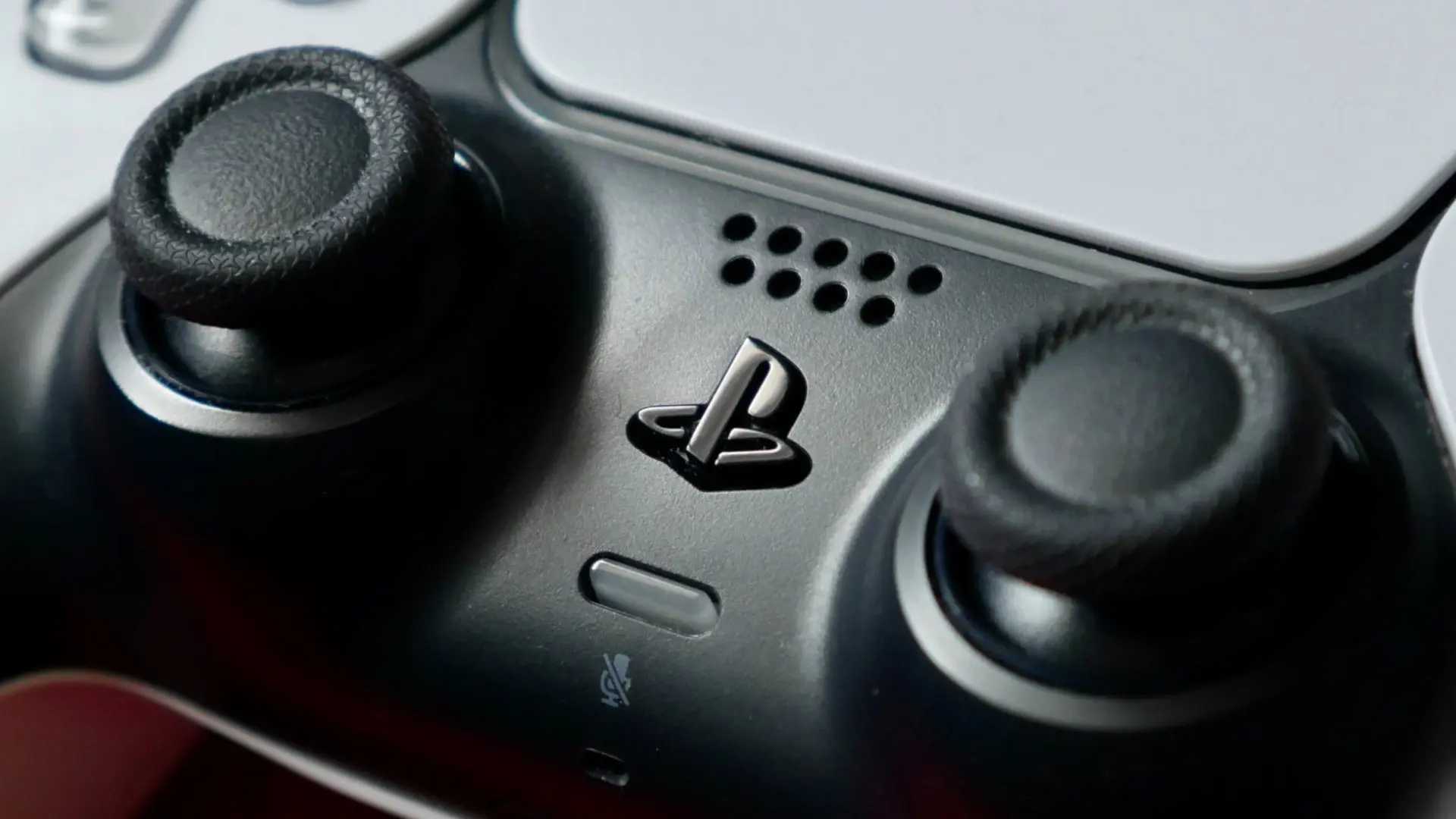
The patent shows a game controller with no physical buttons, using adaptive touch instead, that changes based on how a player holds it. Even if it is only a concept for now, the idea could really allow players who struggle with traditional controllers to play more games.
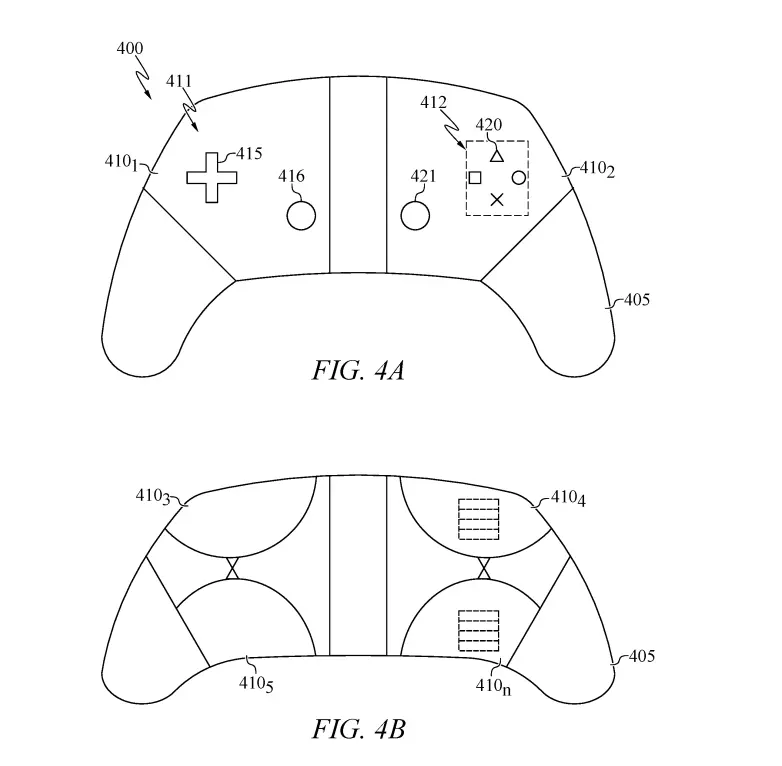
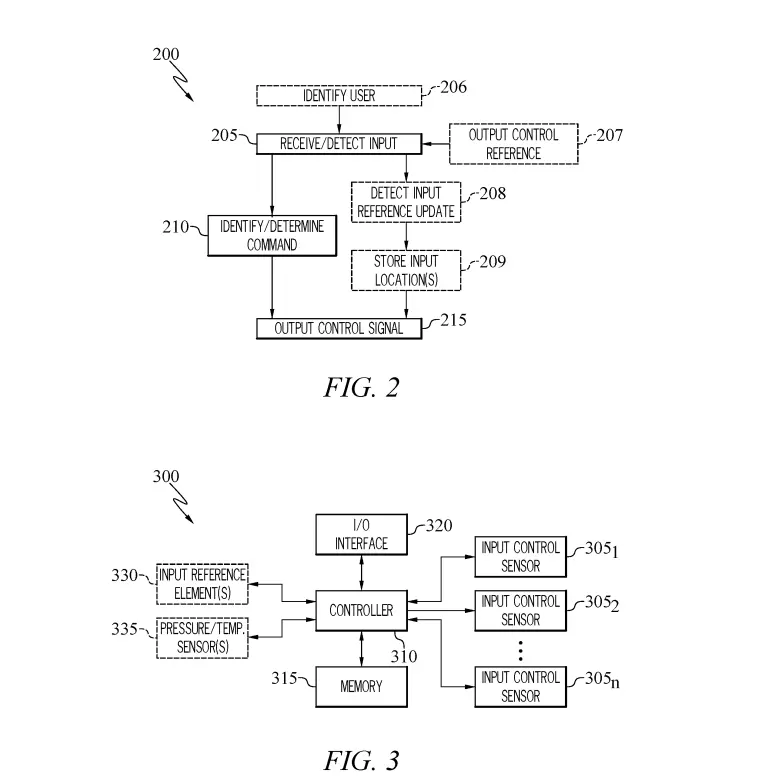
Keep in mind that patents do not guarantee real-world products, but the concept itself is interesting enough.
No Buttons, No Fixed Layout
The patent is titled “Devices and Methods for a Game Controller,” and describes a controller that replaces traditional buttons with what they call “capacitive touch zones“. This means that instead of pressing fixed buttons, players would interact with a touch-sensitive surface, with virtual buttons that appear when needed, and input zones that change based on hand position.
In short, the controller adapts to the player, not the other way around.
The Controller Adjusts to You
One of the main ideas behind all this is adaptability. The controller would be able to detect how you are holding it, track thumb placement, and adjust control positions based on how you hold it, and even the size of your hand.
Sony even notes that standard controller layouts do not work well for everyone. Fixed button placements can be uncomfortable or completely unusable, depending on the player.
This design tries to get rid of that limitation entirely.
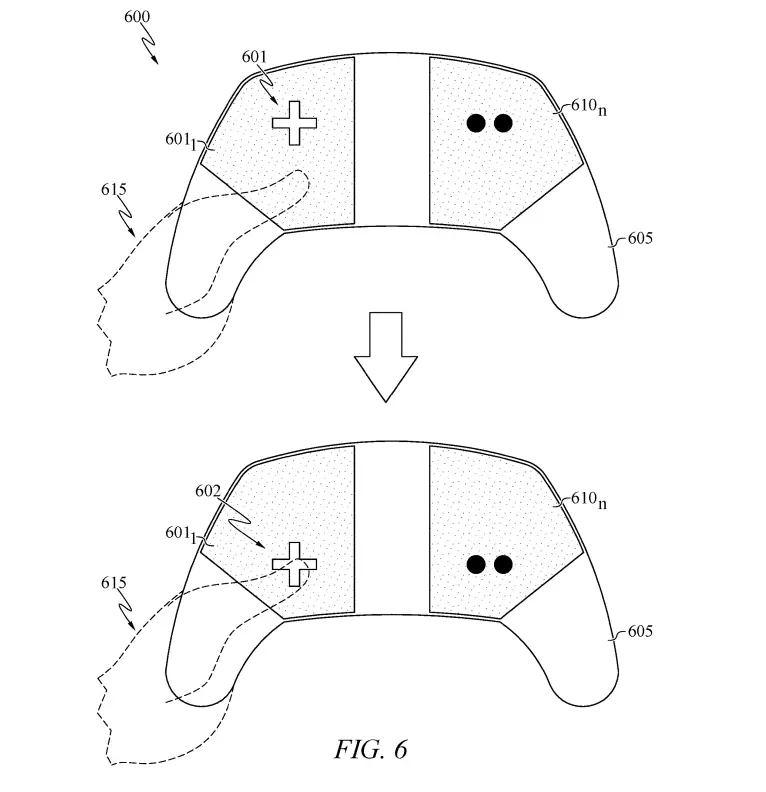
More Than Just Tapping
Because everything is touch-based, the controller could support various types of inputs:
- Tap and press
- Swipe and slide
- Pinch and gestures
- Multi-touch actions
Sony’s goal seems to be to replicate how your usual buttons work, but also to open the door to more flexible input styles, especially for games that could benefit from more gestures or unique controls.
Accessibility as the Main Goal
Accessibility is the big focus here. With no fixed buttons, developers could customize control layouts more freely, create larger or repositioned input zones, and support alternative grip styles without extra hardware.
For players who struggle with traditional controllers, this kind of adaptability could be a real upgrade, at least in theory.
Of course, losing physical buttons is not without any risks. Without real buttons, there is less immediate physical feedback and a higher chance of missed or unclear inputs. It also means players will have to learn how to use it properly.
Of course, having such a controller as an option would not mean everyone would have to use that one to play. Most players would most likely enjoy still having a traditional controller option for future consoles. However, an adaptive controller that does not involve having to buy multiple devices that you plug into each other would benefit a large number of players as well.
Is This a PS6 Controller?
That is where speculation comes in and where things need to be kept realistic. Sony has not said this is for PS6. Like most patents, it could be years away or end up being changed completely. It might never even turn into a real product.
Still, Sony does have a history of experimenting with controllers. The DualSense itself started as a risky idea, and now it is one of the best existing controllers.
This patent is also not coming out of nowhere. As mentioned by tech4gamers, this is not Sony’s first similar patent. They released patents for things like controllers that detect player stress through sweat, deformable controllers that change shape, or even more advanced biometric and sensory feedback systems.
A New Way to Play
More than anything, this patent shows curiosity. Sony is clearly questioning if the traditional controller is still the best option, especially for accessibility.
Right now, if you have any hand issues, you are forced to buy a very large and expensive adaptive controller setup that may not even fit everyone. This change could be more affordable and allow more players to enjoy various games.
Of course, it is unknown if this specific controller will ever exist. But the direction it points to, controllers that adapt to players, not the other way around, is becoming very clear.
For more guides or information, check out our latest news!