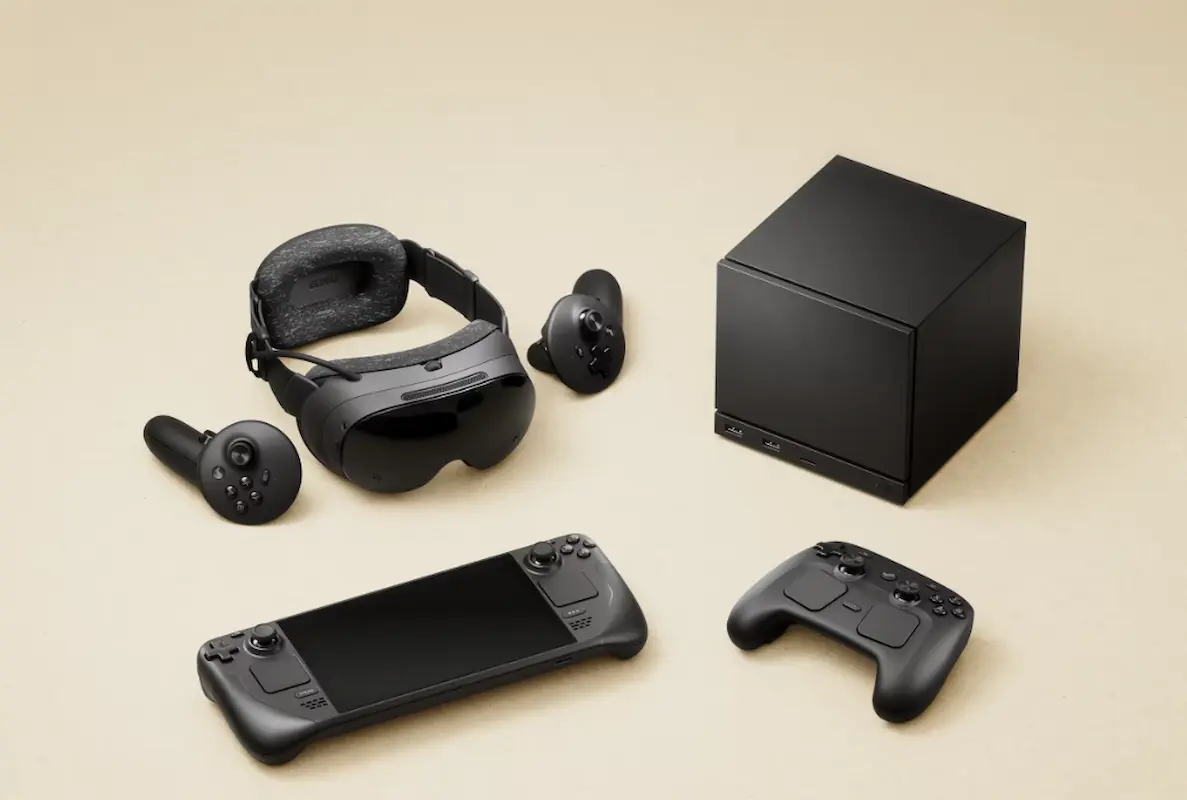
Valve has published a new post, answering some of the most common questions surrounding its upcoming hardware! This includes Steam Controller, Steam Machine, and Steam Frame. The post is a small FAQ, but it also gives a better picture of how Valve is approaching hardware this time around.
They confirmed that all three devices are still planned to launch in the first half of the year, but exact pricing and release dates are still being finalized. The reason is not a change in direction, but ongoing memory and storage shortages across the industry. Those have resulted in higher costs and less availability.
Valve says it wants to lock in dates and prices it can “confidently announce,” rather than rushing out numbers that might change shortly after.
Steam Frame Focuses on Accessibility and System-Level Tech
Steam Frame, Valve’s upcoming VR hardware, received some of the more interesting clarifications. The device will support streaming services through SteamOS’ built-in browser, and Valve is already exploring prescription lens inserts ahead of launch.
One main feature is “foveated streaming”. This differs from traditional foveated rendering. Instead of changing how a game renders visuals, Steam Frame adjusts how high-resolution data is streamed based on where the player is looking. Because this happens at the system level, it works with all games without requiring any developer support, and stacks with foveated rendering if a game already uses it.
Valve also confirmed it is not actively working on Lighthouse base station support, but designed Steam Frame to be modular, leaving room for community or third-party accessories.
Steam Machine as a Console-Style PC
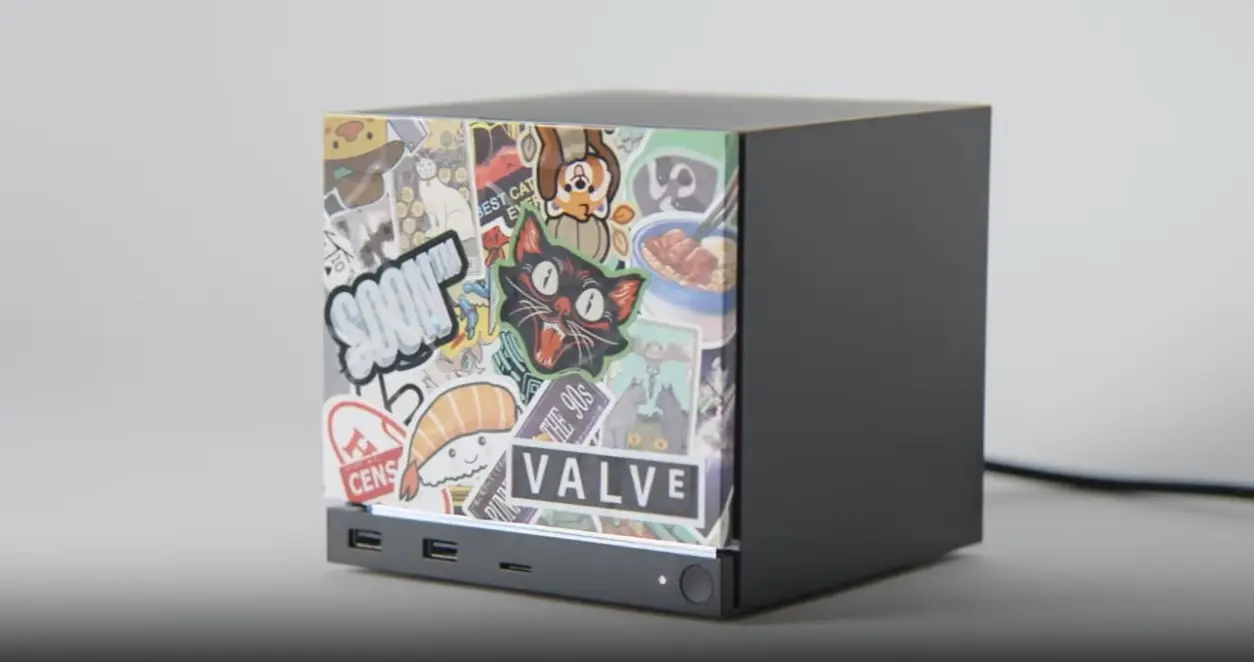
Valve also shared more details about the Steam Machine’s performance. According to internal testing, most Steam games can run at 4K 60 FPS with FSR, though some demanding titles may benefit from lower internal resolutions or VRR.
Importantly, the Steam Machine is built to be upgradeable, with accessible SSD and memory slots, and Valve plans to release CAD files for faceplates so third parties can create custom designs. It is a clear change away from usual hardware and toward a more open, PC-first approach, but as a console.
A More Careful Approach
All of this makes it clear that Valve is not in a hurry here. Instead of pushing hardware out as fast as possible, the company seems more interested in getting the foundation right, with long-term support and modular design taking priority. This is something that worked out well with the Steam Deck.
Valve already planned to share more details in the coming weeks as they move closer to launch, so stay tuned!
For more guides and information, check out our latest news!