HoYoverse has released a new behind-the-scenes video that breaks down how Zenless Zone Zero tells its story. It also shares some interesting details on why the game feels so different from other action RPGs.
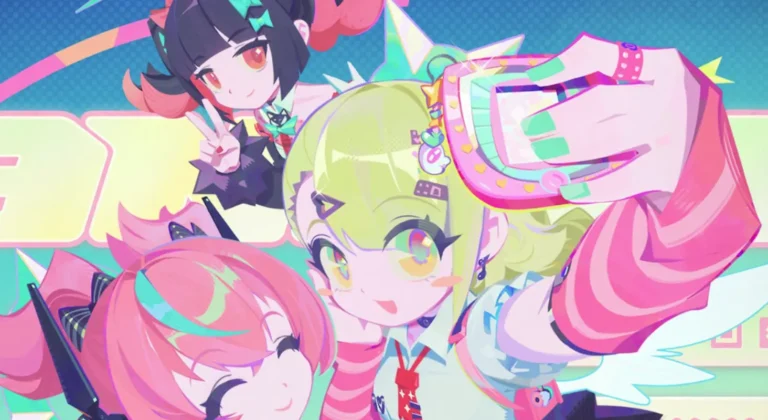
Instead of relying on a single format, ZZZ mixes dynamic comics, fixed images, and full cutscenes, with each one serving a very specific purpose.
You can watch the video here:
Why Zenless Zone Zero Uses So Many Story Formats
According to the developers, no single format can do everything well.
- Dynamic comics let players move at their own pace and can tell a lot of story in a short time
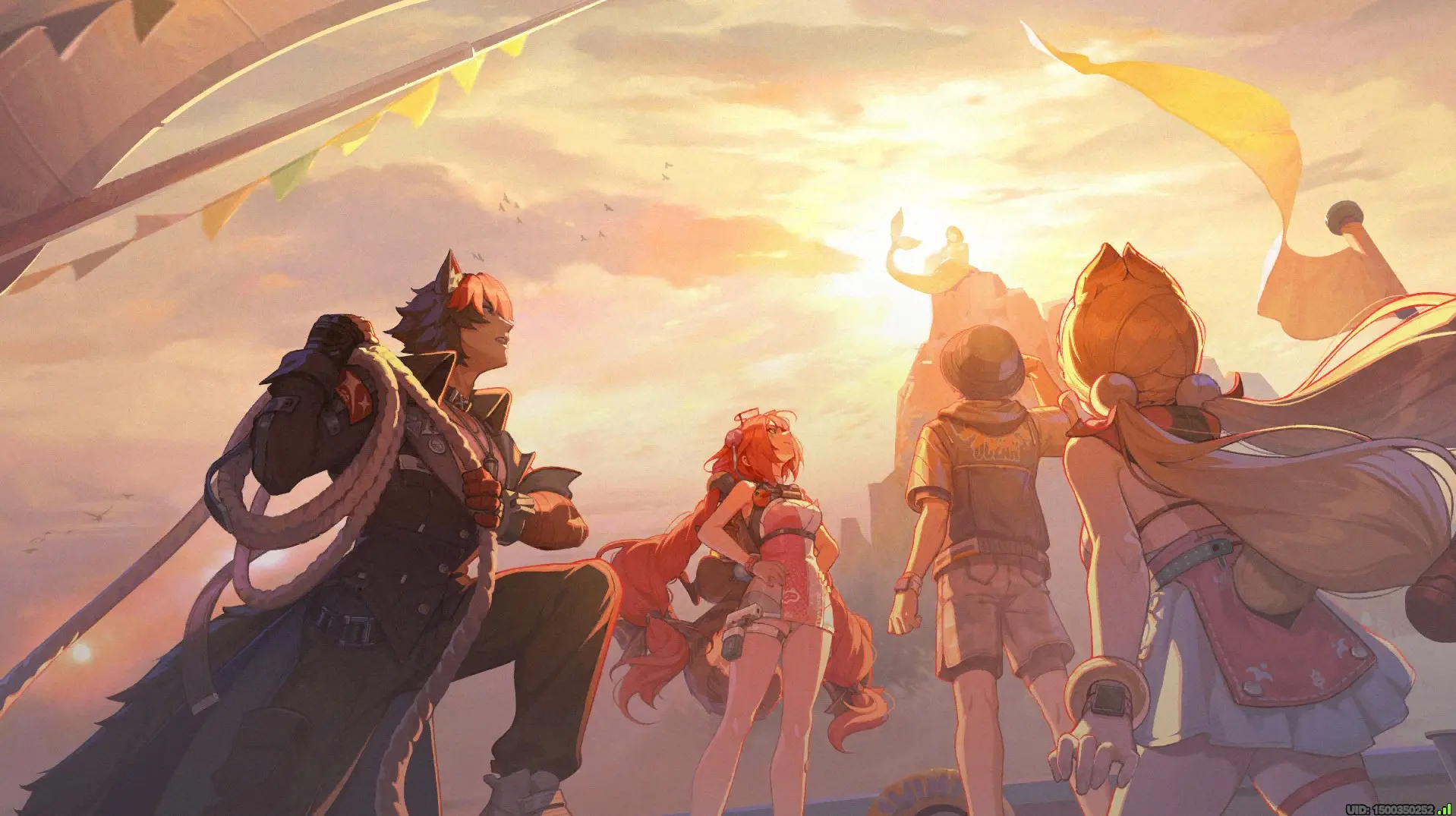
- Fixed images focus on emotions and atmosphere, often hitting harder than full animation
- Cutscenes are saved for big moments such as intense fights, major plot twists, or emotional moments
The goal is not variety for variety’s sake. All three formats are meant to work together to create a unique, almost movie-like experience. And it works very well.
Version 2.1’s Sewer Escape as an Example
One scene the team points out in the video is Alice and Yuzuha‘s sewer escape in Version 2.1. That sequence uses all three storytelling styles together with fixed images to set the mood, followed by dynamic comics to control pacing, and ends on cutscenes for action and tension.
Behind the scenes, this requires close collaboration between story writers, artists, storyboard designers, and environment teams. The underground lab setting, lighting, and camera angles are all planned together, for example.
How Art and Color Tell the Story
The video also goes over how color and lighting are used as storytelling tools. For example:
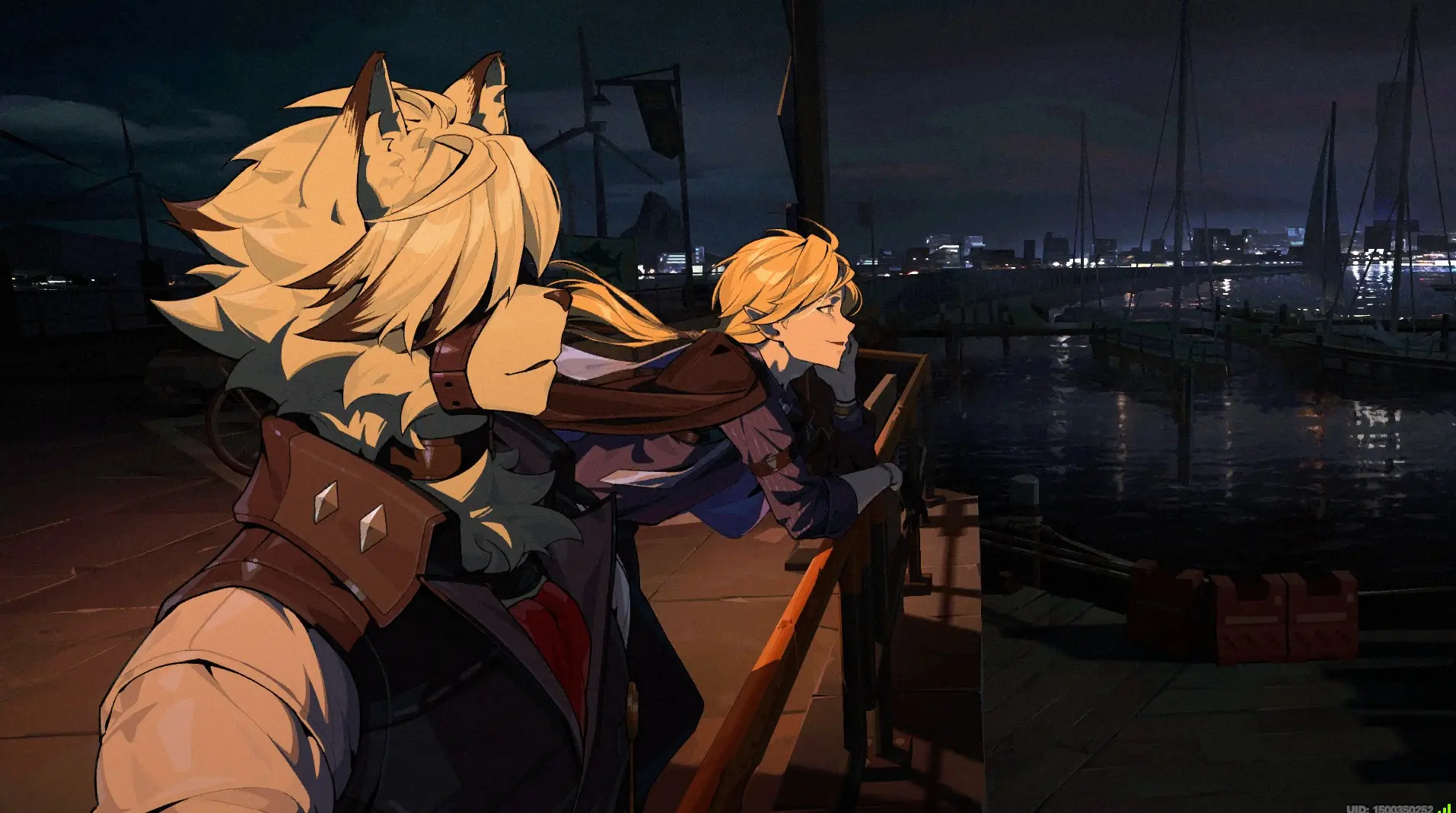
- Isolde’s revenge artwork uses more “fiery” tones and a lot of broken textures to reflect her unresolved anger
- Hugo’s scenes on the other side lean into monochrome colors to highlight his melancholy
Colors are not just aesthetic choices in this game. They are meant to influence how we feel when we play, even if we do not always realize it.
Storyboards, Cameras, and Emotional Timing
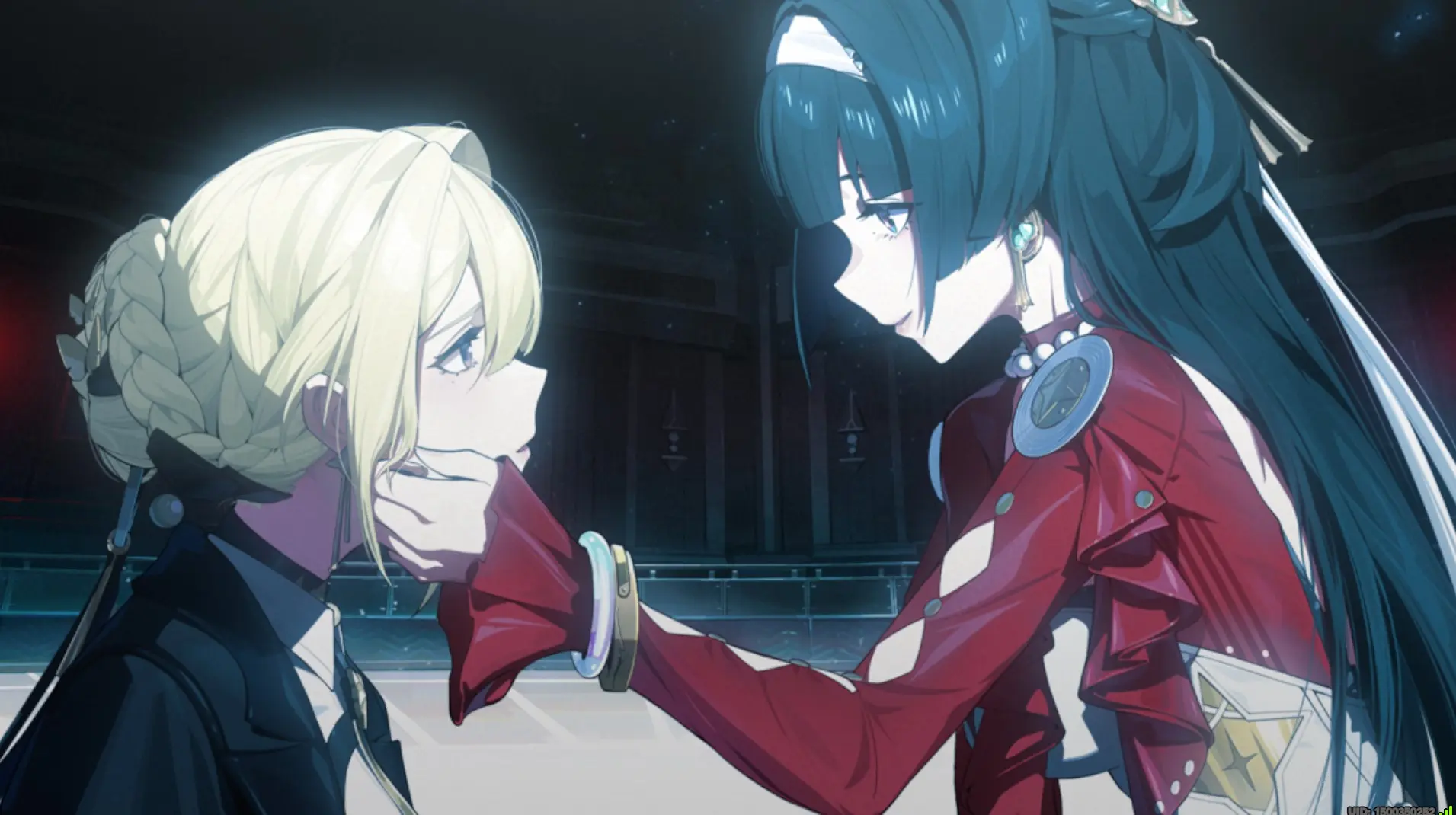
Before a scene is fully animated, it goes through a ton of storyboard planning. Writers provide the script, then storyboard artists map out the camera angles, character positioning, movement flow, and pacing.
In action scenes, things like camera panning and axis changes are used to signal tension or turning points, and emotional scenes are carefully paced to build toward a release. It is the classic “tear-jerker” structure.
A Very Hands-On Animation Process
Animators often act out scenes themselves, recording reference videos for expressions, gestures, and timing. These are combined with classic animation codes to make the whole performance feel more natural and emotional.
And yes, sometimes the team sneaks in humor too, including meme-like moments for a few funny moments! They also plan to add some QTE for more diversity.
A Fully Collaborative Production
One thing the video makes clear is that ZZZ’s storytelling is deeply collaborative. Writers, animators, lighting artists, VFX, sound, and music teams all work together, often iterating repeatedly to refine a scene. Cutscenes are not treated as “just visuals”, but they are designed to transition story, release emotional tension, and keep players immersed.
HoYoverse’s main goal with Zenless Zone Zero is to mix emotional storytelling, cool-looking urban aesthetics, and original gameplay into one seamless experience.
From comics to combat, every scene is meant to feel intentional, not filler. And if you have ever wondered why ZZZ’s story moments hit a little differently, this behind-the-scenes video explains a lot!
For more guides and information about the game, check out our Zenless Zone Zero section!