Blizzard has long been known for its impressive cinematics. For many players, these sequences are among the most memorable parts of its games, helping build the studio’s reputation for striking visuals and compelling storytelling.
The final Diablo panel on BlizzCon’s first day, The Art of Darkness: Behind Diablo IV’s Cinematics, gave us a behind-the-scenes look at how Diablo 4’s cinematics came to life.
Work on Diablo 4’s cinematics began around nine years ago, and the team’s earliest experiments were surprisingly basic. During the panel, developers recalled working with an engine built for a top-down game, without even the tools to make a camera cut or add depth of field.
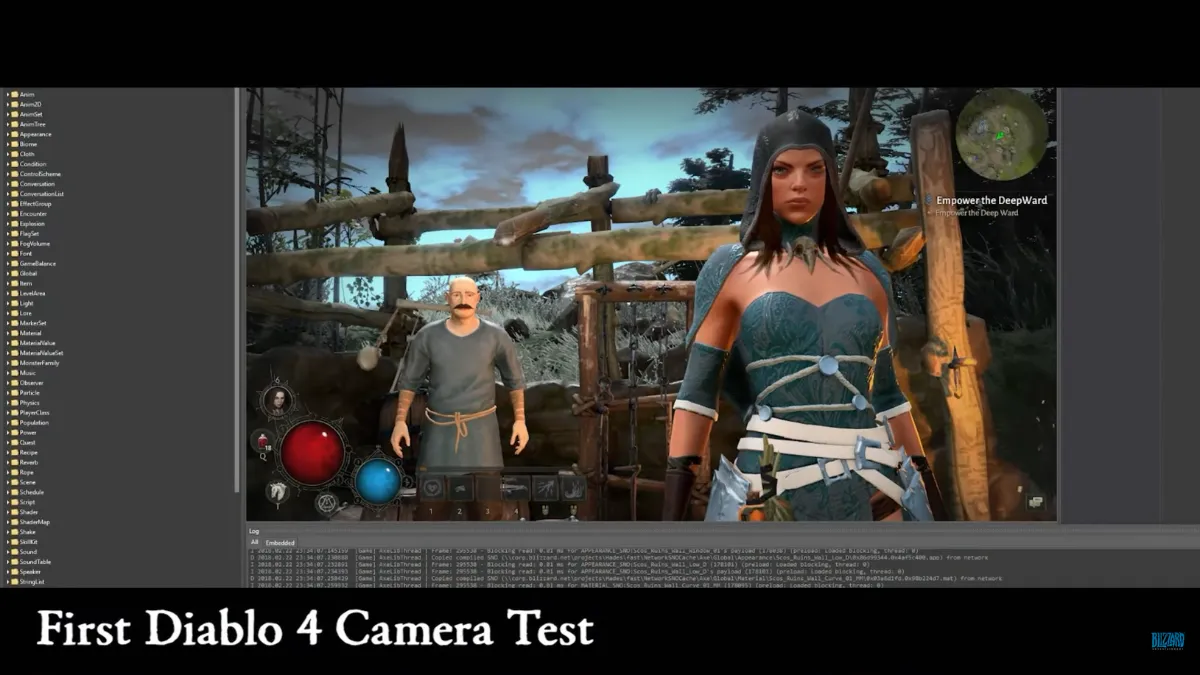
One of their first experiments was simply bringing the camera down to eye level to see what was possible. Some early work had a practical purpose: using actions such as climbing down ladders to hide loading times. But those experiments opened the door to telling more of the story through cinematics featuring the player’s own character.
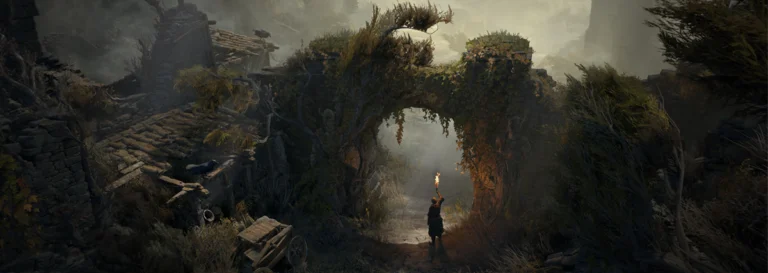
Meanwhile, the brief for Diablo 4’s announcement cinematic was equally simple. Director Doug recalled an idea for a Dungeons & Dragons-style adventure: a group explores a cave, discovers a gate, and witnesses Lilith’s arrival. With a “return to darkness” as the guiding theme, the team began figuring out what that entrance should look like—and how to make it unmistakably Diablo.
One of the biggest challenges was bringing the player’s own character into Diablo 4’s cinematics. With eight classes, each with male and female variants and numerous customization options, the team had to make the same scenes work for characters with very different builds. Their different skeletons meant animations couldn’t simply be transferred from one to another.
The workload went well beyond animation. The team recorded dialogue 16 times with different voice actors, giving each character their own performance. Camera framing required some clever tricks, too: a Rogue and a Druid needed to fit the same shot and interact with objects in the same places. As one panelist explained, “If we can hide the feet then we can cheat the height.”
Every new class also means revisiting existing cinematics featuring the player character and updating the animation to accommodate them.
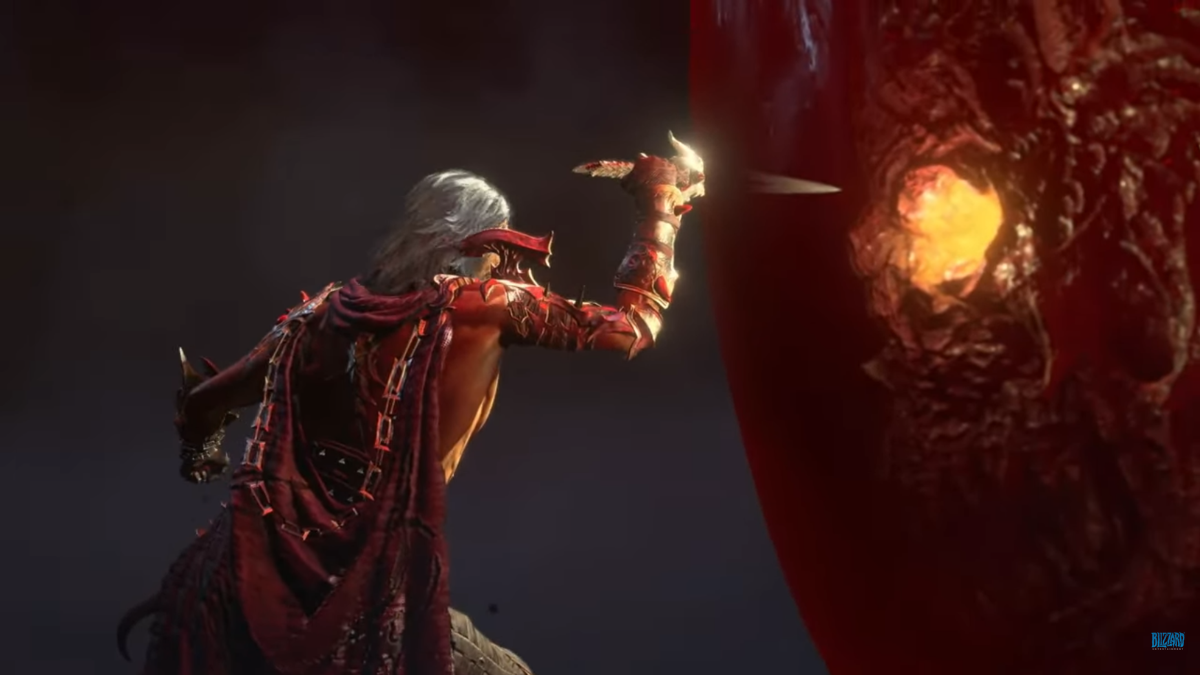
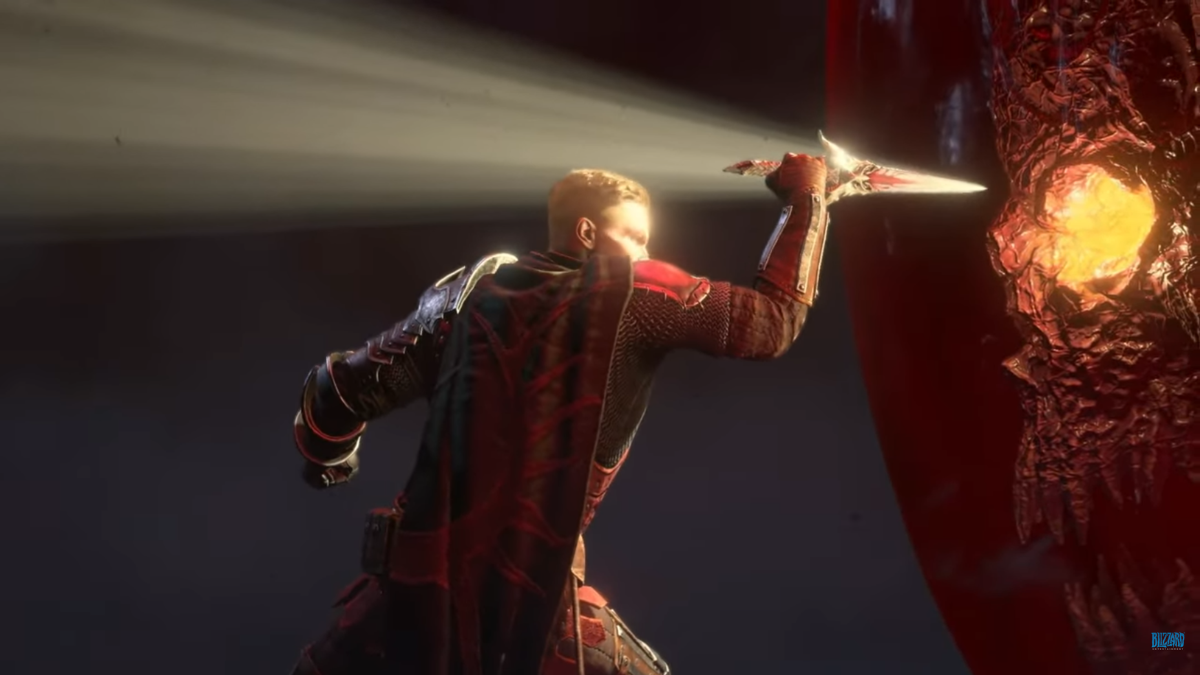
Even though the finished scenes look very lifelike, much of their animation is done by hand. Animation director Ricardo estimated that around 80–90% of the work is keyframe animation, with animators carefully shaping the characters’ movements and expressions. Motion capture and filmed references help guide the process, but the final performance still depends heavily on the artists.
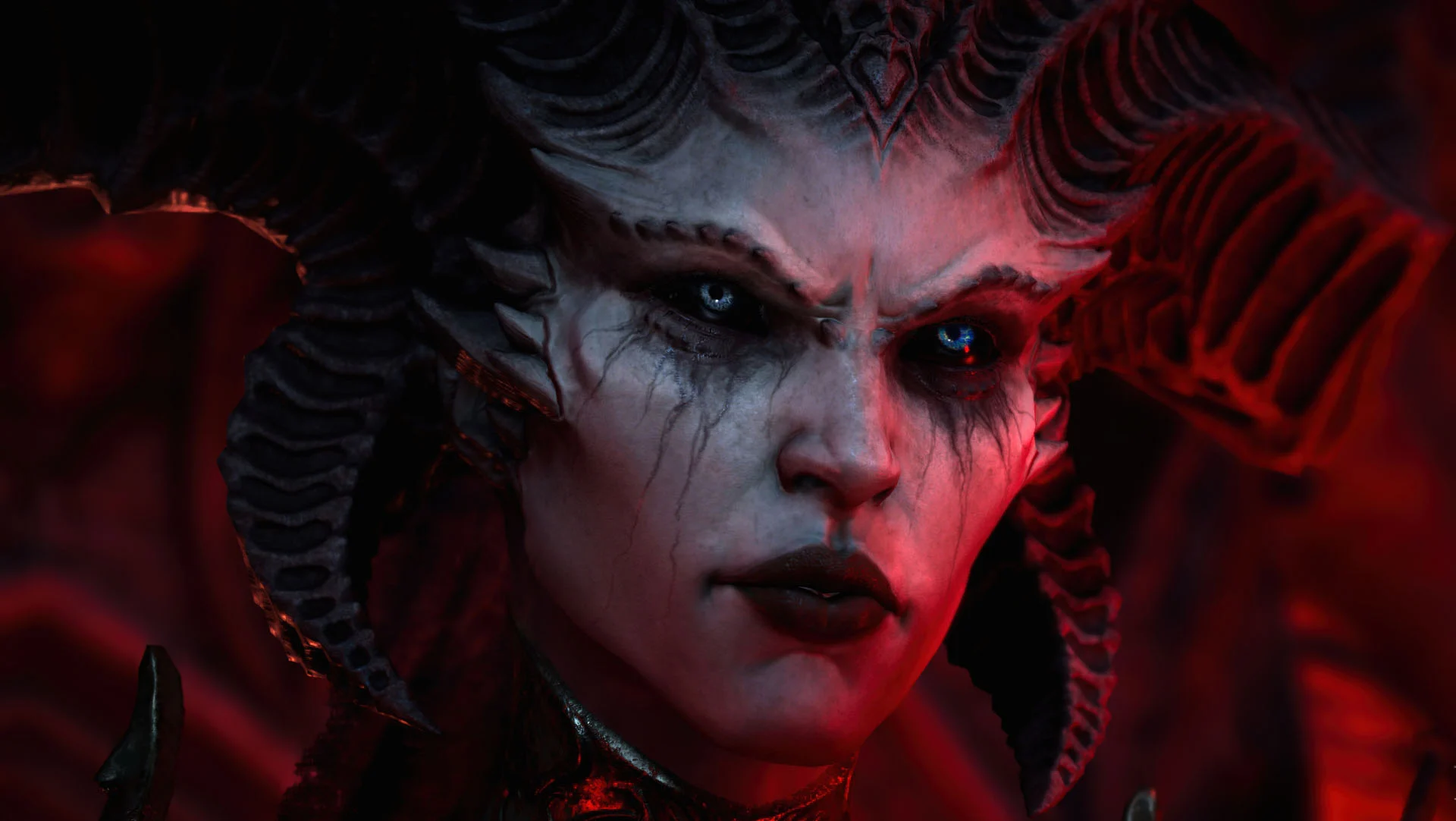
Sometimes, that means knowing when to hold back. While developing Lilith, the team found that the less she moved, the more powerful she appeared. Her stillness became part of her personality, making even a small gesture carry more weight.
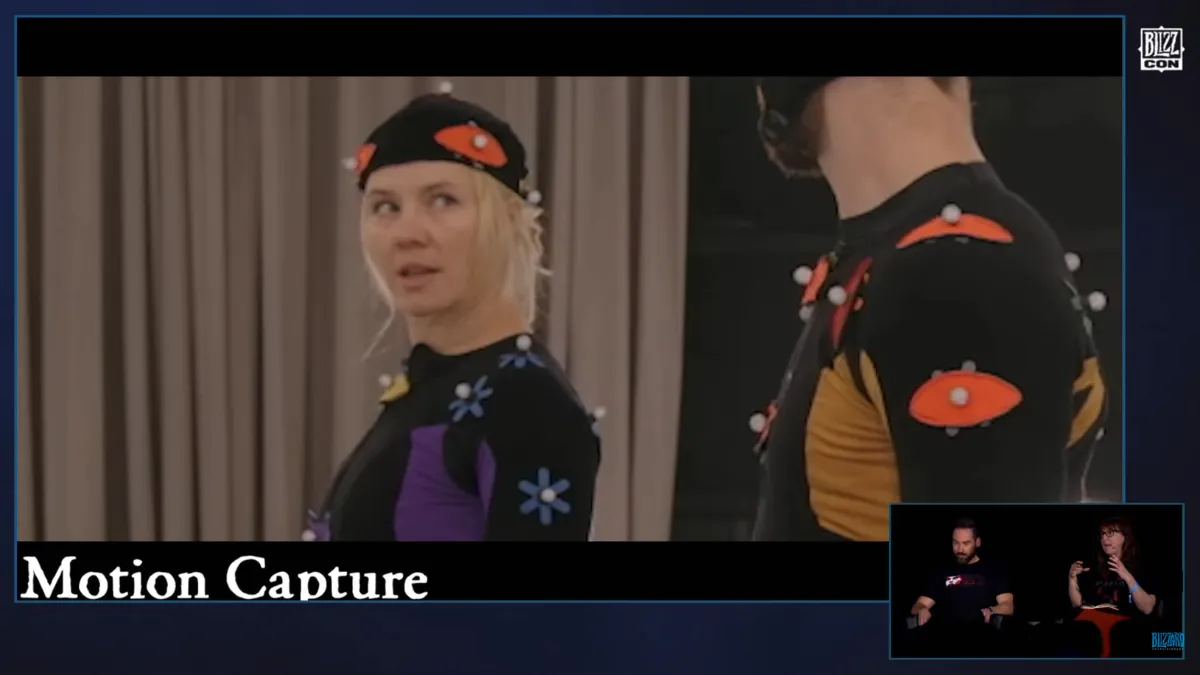
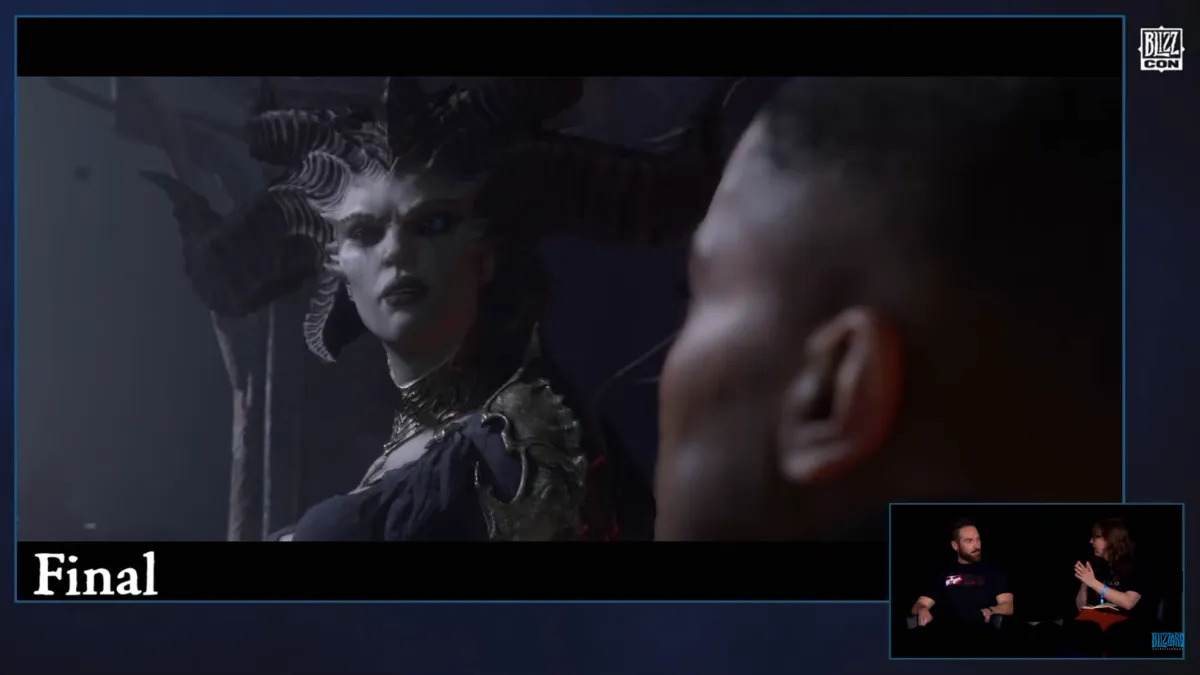
The panel offered plenty of reasons to take a closer look the next time a cinematic plays—from Lilith’s restrained movements to the camera tricks that let every class share the same scene. And the team ended with one more reveal: everyone on the panel is now working on Diablo 5. We’ll have to wait to see what they create next.