






A fascinating theory about the origins of the Camelot leak is making the rounds, and it involves a true MMORPG classic.
Back in mid-June, the first rumors surrounding a World of Warcraft build called Camelot made massive waves in the Classic community and beyond.
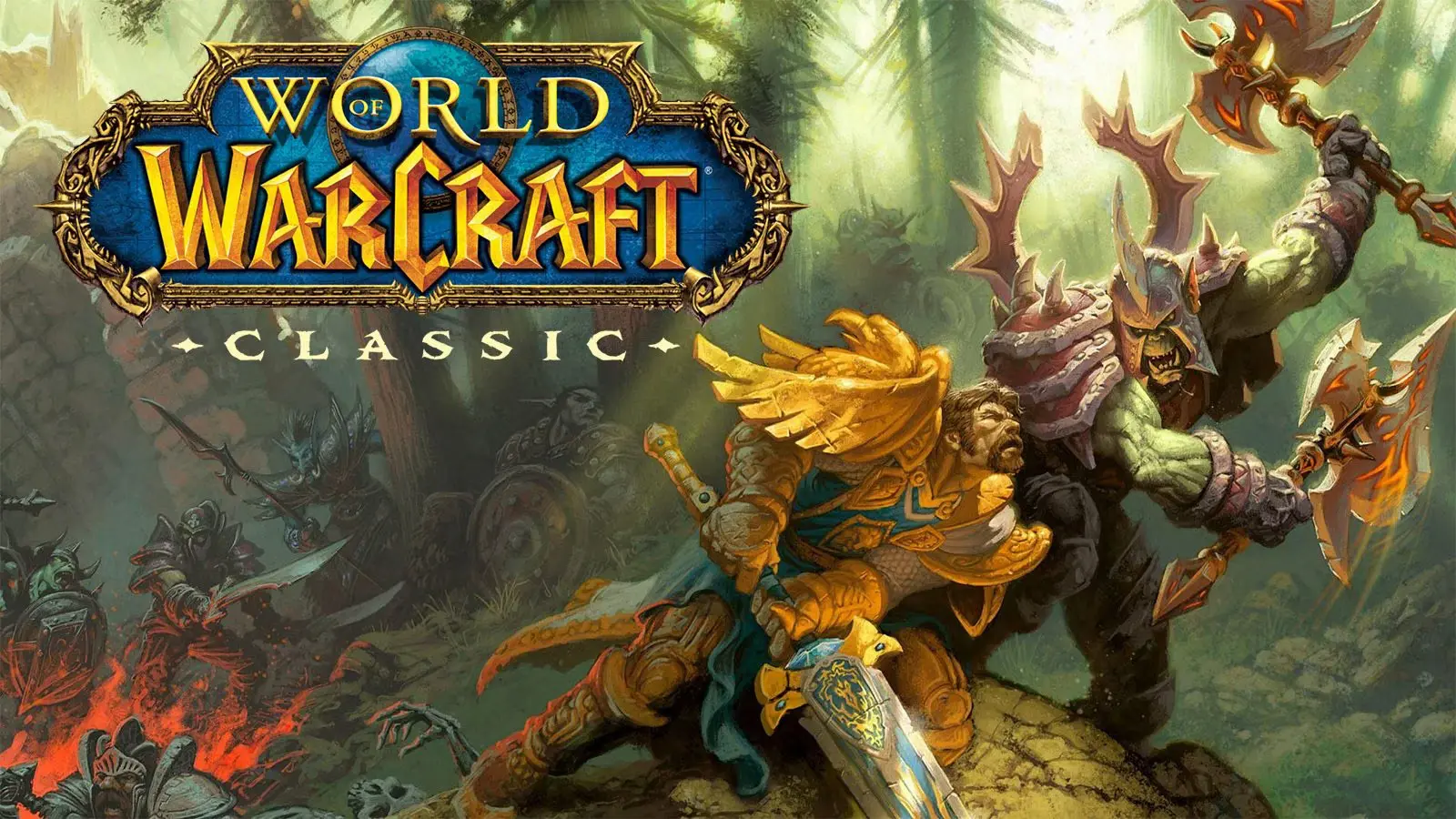
The datamined World of Warcraft build “Mainline Camelot,” also associated with Patch 1.60, appears to be Blizzard’s first internal alpha branch for the long-rumored Classic+. Many fans expect that project to appear at BlizzCon this September, but Blizzard has not confirmed what Camelot actually is.
Why “Camelot”?
Within hours, community members began speculating about the build’s name. Camelot is best known as King Arthur’s legendary court and castle, so fans have been crafting all kinds of theories – not least because Warcraft’s current Executive Creative Director, Chris Metzen, is known for his love of Arthurian mythology. Frostmourne is essentially Warcraft’s answer to Excalibur, after all!
One theory, however, is starting to stick for more reasons than the name alone: Camelot could be an homage to Dark Age of Camelot, the influential MMORPG released in 2001.
DAoC became famous for its PvP-focused Realm versus Realm combat between three factions: Midgard, Hibernia, and Albion, representing Norse, Celtic, and Arthurian mythology. To many MMORPG veterans, it remains the greatest PvP MMO ever made, and creators such as Kripparrian and Esfand have made that case as well.
Since its release, DAoC has also remained one of the few major MMORPGs built around three distinct factions with their own races and classes. That design created powerful faction identity, immersion, and community.
DAoC Already Helped Shape WoW’s Factions
That brings us to a fascinating piece of WoW history. Former WoW Game Director Jeff Kaplan recently explained that Allen Adham, one of Blizzard’s founders and WoW’s original Lead Designer, championed the Horde/Alliance split during development because of Dark Age of Camelot.
According to Kaplan, Adham admired how DAoC’s three factions immediately placed every player on a permanent team. Kaplan and Rob Pardo, who came from EverQuest and preferred its unrestricted grouping between races, argued against the split. When Adham left roughly nine to twelve months before WoW launched, Pardo took over as Lead Designer and ultimately kept Adham’s faction vision.
So WoW did follow Adham’s direction in one crucial respect. But what if Classic+ pushed that philosophy much further?
What Could This Mean for Classic+?
YouTuber Moments of Warcraft dives deep into those questions and paints a fascinating picture of what Classic+ could become if Blizzard drew from both WoW’s early history and DAoC’s core principles.
The video’s analysis of WoW’s original three-tree class design – and of Paladins and Shamans as a blueprint for faction-exclusive classes – really makes you think. What would Azeroth look like if Blizzard expanded that asymmetry in Classic+, or even added a third faction inspired by Dark Age of Camelot?
After all this wild speculation, we are still left with the strange name attached to a potential first sighting of Classic+ in the wild. Adham’s return to Blizzard in 2016 to oversee project incubation adds one final wrinkle. There is no known connection between him and Classic+, but considering how much his faction-first thinking shaped the original WoW, it is not impossible that his ideas influenced the project. Is Camelot simply a placeholder? Most likely. Could it be a nod to Dark Age of Camelot and hint at major changes to classes and faction identity? There is no evidence of that yet – but we absolutely hope so.