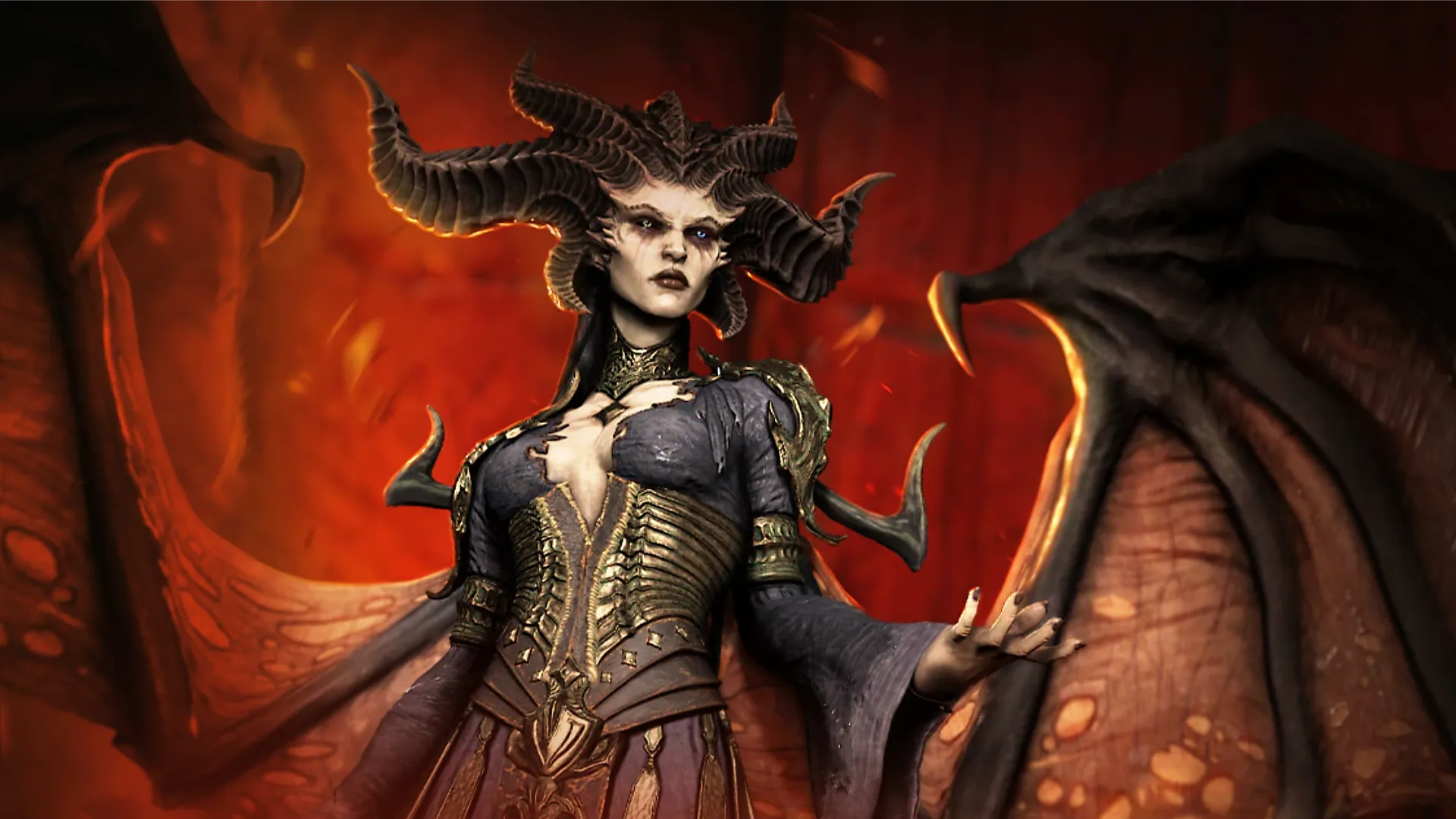



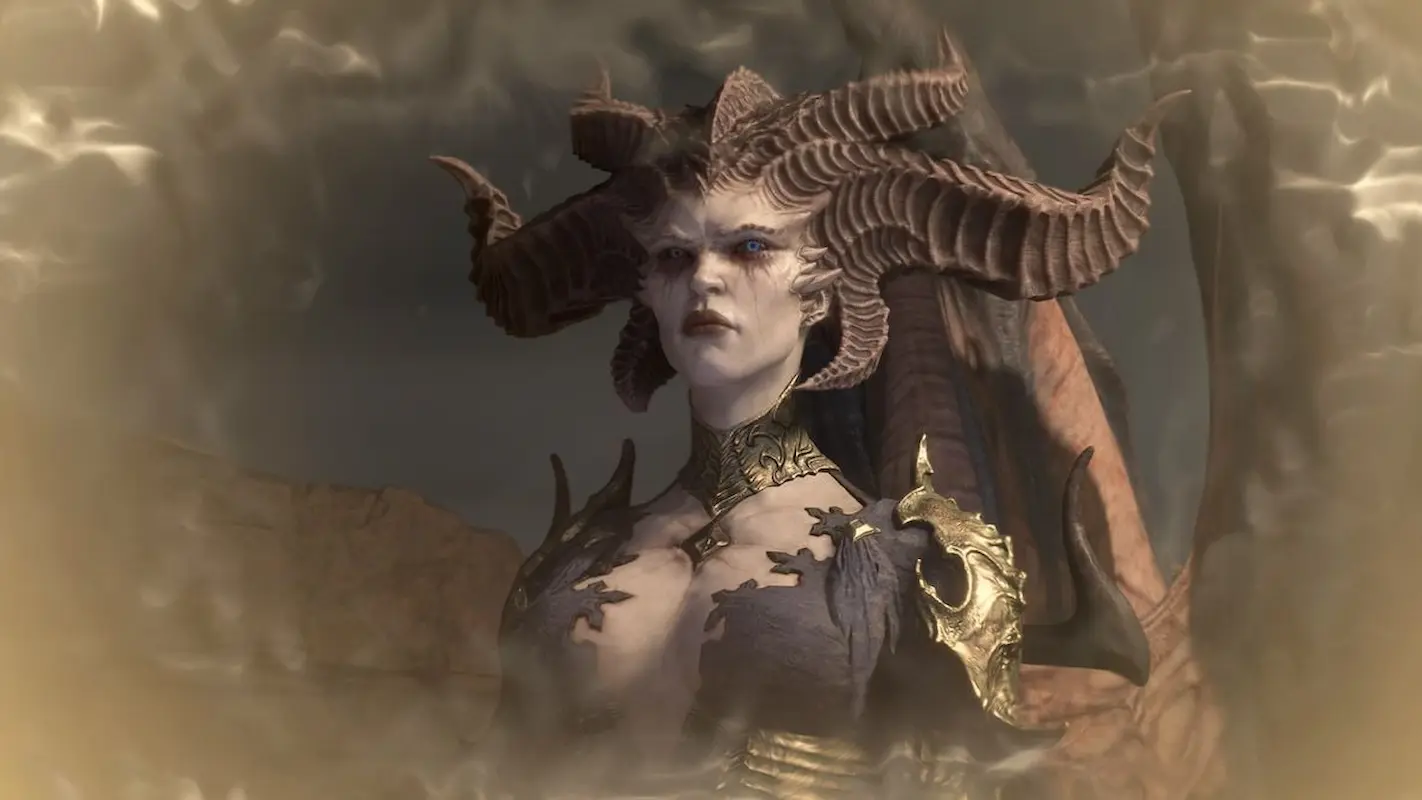
There is one moment in Diablo 4‘s campaign that still gets people talking. Late in the story, Lilith makes her pitch. Not just as a villain or the Daughter of Hatred, but as someone who genuinely believes she is trying to save Sanctuary, even if her methods are… questionable.
For a brief second, it almost feels like the game is offering you a choice. And then, your character shuts her down automatically. There is no dialogue wheel, no real hesitation, and our character just refuses.
And that is where the debate starts.
“Why Tease It If We Cannot Choose?”
Some players argue this was a missed opportunity.
Diablo 4 spends most of its campaign building Lilith up as something more than a standard big bad. She is ideological, charismatic, and she genuinely believes Heaven and Hell will destroy humanity unless someone ruthless takes control.
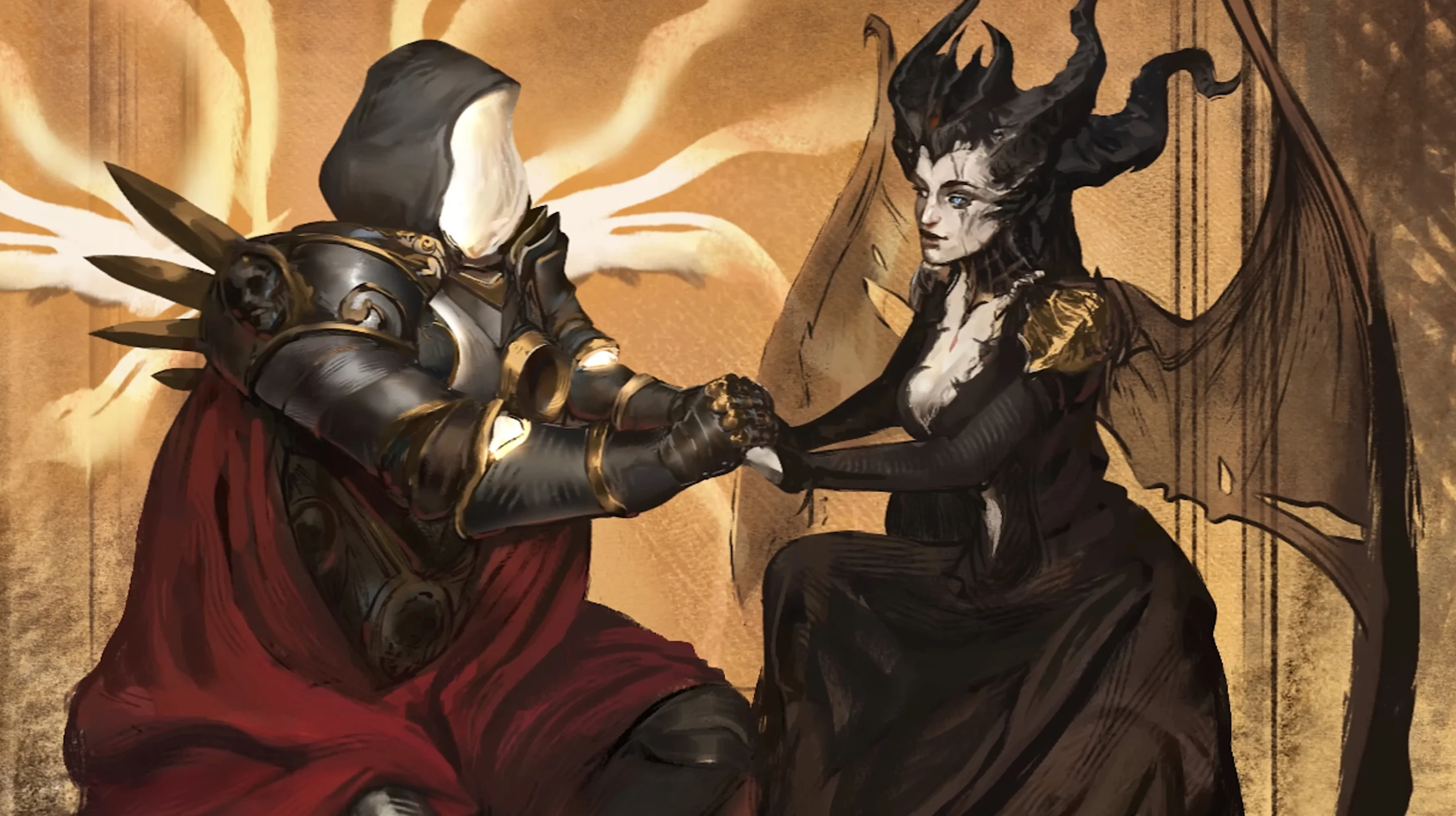
The game leans heavily into moral gray areas. Angels are not exactly noble. Humans are not exactly innocent. Even Lilith is not pure chaos for chaos’ sake. So when the campaign hints at the possibility of siding with her, even briefly, it creates an expectation. Not necessarily of a full alternate ending, but at least some little possibility.
The argument from that side is simple:
- A branching final act could have given more replay value for the main story
- Both paths could eventually converge
- It would have reinforced the moral ambiguity that the story builds up
- Diablo 4 flirts with player choice, but never commits
And for some players, it feels like that was a missed opportunity.
That Was Never the Game
On the other hand, there is a strong argument that Diablo 4 made the right call.
Diablo has never been a branching-narrative RPG. It is not Baldur’s Gate or Mass Effect. The series has always told a linear story about humanity standing against cosmic forces, and it never mattered if those forces came from Heaven or Hell.
Letting players side with Lilith would create massive complications:
- Expansions would need dual storylines
- Seasonal content would have to acknowledge different allegiances
- Future villains (like Mephisto) would need alternate narrative setups
- And canon would get messy fast
From a development standpoint, it is not a small change.
And beyond that, there is the lore question. Lilith might be more nuanced than past Prime Evils, but she still dominates with hatred and evil. Siding with her would not really fit with the main theme of the franchise, where humanity is surviving by refusing both Heaven and Hell.
The Real Question Is Not About Lilith
The bigger discussion is not really “we should have joined Lilith.” It is more about Diablo giving players meaningful narrative choices at all. Diablo 4 came closer than previous entries to blurring moral lines. It humanized its antagonist more than the series ever has. For once, it was more than just pure evil versus good.
But in the end, it stayed traditional.
And maybe that is what makes this debate interesting. Diablo 4 feels like it wants to explore gray morality, but it ultimately pulls back to preserve a clean thing.
Was it a missed evolution?
A “What If” That Will Not Go Away
Even now, long after launch, players still circle back to that scene. Not because they all wanted to become demon cultists. But because it felt like the story was building toward something bold, and then chose not to.
It might be a flaw or just a conscious design choice, depending on what you think Diablo should be.
But it is clear that for a series built on fighting darkness, Diablo 4 made people seriously consider standing in it for a moment.
And that alone says a lot about how different Lilith was. Or just about how likable Blizzard made the Queen of Hell in Diablo 4.
For more guides and information, check out our latest news!